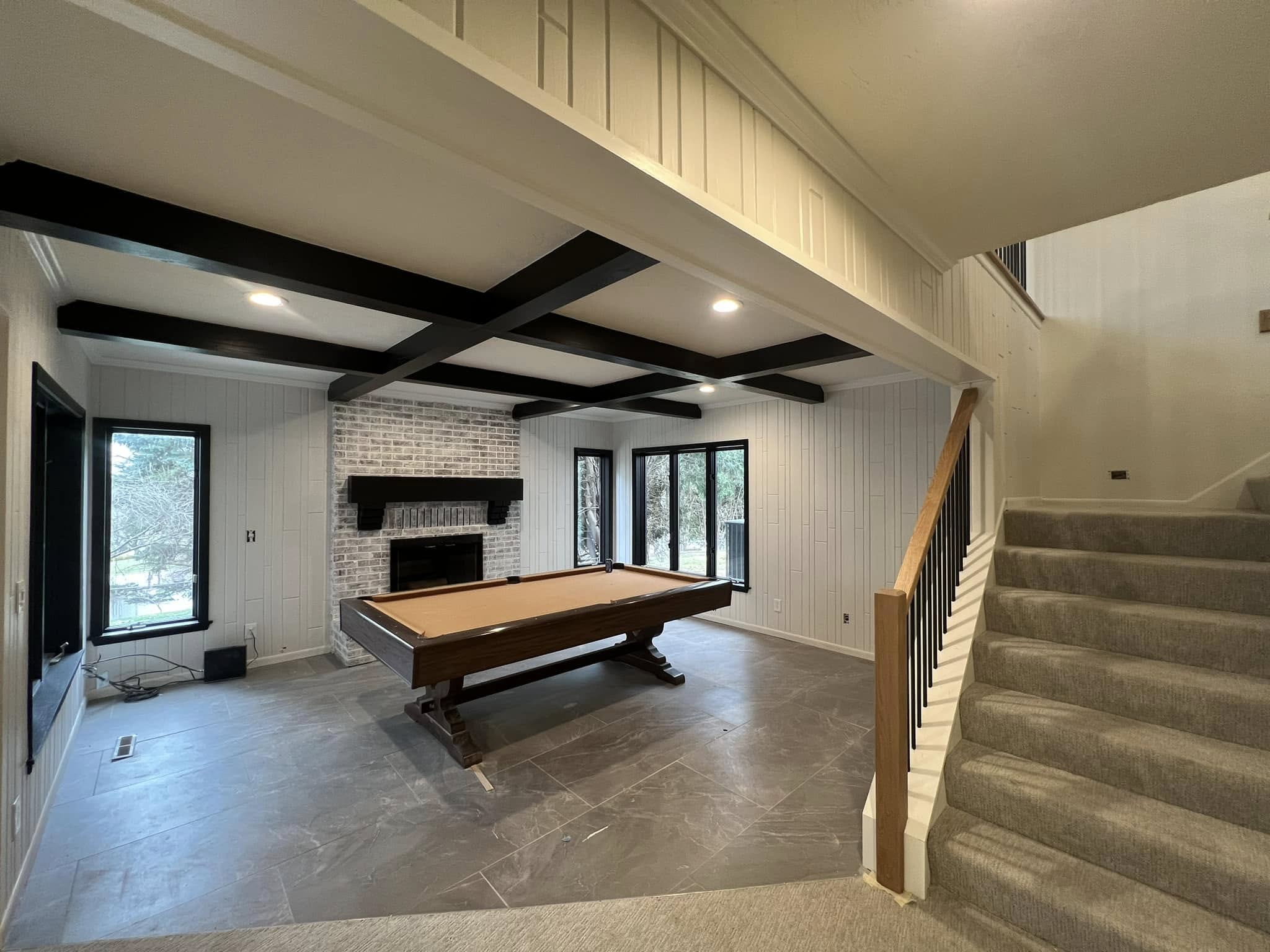
Color Harmony and Home Decor: The Painter's Guide to Transforming Interiors Apr 28, 2026
Understanding color harmony begins with the basics of the color wheel, which is an essential tool for painters and homeowners alike. The color wheel illustrates the relationships between colors and can be used to create combinations that are pleasing to the eye. By leveraging these relationships, you can select color schemes that resonate with your personal style and the functionality of each room.
The first step in choosing the right color palette is identifying the purpose of the room. For example, living rooms often benefit from warm, welcoming hues like soft yellows or pale blues that foster a sense of comfort and relaxation. On the other hand, home offices may require colors that stimulate productivity, such as shades of green or blue. Understanding the psychological impact of colors can guide you in creating the desired atmosphere.
Monochromatic, analogous, and complementary color schemes are among the most popular methods to achieve color harmony. A monochromatic scheme involves varying shades of a single hue, which can create a sleek, sophisticated look. This approach is particularly effective in minimalist designs, where simplicity and cohesion are prioritized. Analogous schemes use colors that are adjacent on the color wheel, such as blue and green, offering a sense of unity and tranquility perfect for bedrooms or bathrooms.
Complementary color schemes, which pair opposite colors on the wheel like blue and orange, inject vibrant contrast and energy into a space. This dynamic approach can make rooms appear more lively and engaging, working well in areas like kitchens or dining rooms where interaction and activity are central.
Once you have a basic understanding of color relationships, consider the role of accent colors. Accents can be utilized to highlight architectural features, create focal points, or add personality to your space. For instance, a room painted in neutral tones can be enlivened by a splash of bold color on an accent wall or through decorative elements like throw pillows, artwork, or rugs.
Lighting is another critical factor in achieving color harmony. Natural and artificial light can alter how colors appear, influencing the mood and aesthetics of a room. It's important to test paint samples in different lighting conditions before making a final decision, ensuring the chosen hues complement one another throughout the day.
Incorporating texture in your design can further enhance color harmony. Smooth, reflective surfaces may amplify brighter hues, while matte textures can subdue them, adding depth and interest to your decor. Textured elements like wood, fabric, or stone can harmonize with your color scheme, creating a balanced, tactile experience.
At Franks Painting LLC, we pride ourselves on helping our clients achieve their design aspirations. By understanding and applying the principles of color harmony, you can transform your interiors into spaces that reflect your unique style and enhance your everyday life. Whether you're repainting a single room or refreshing your entire home, the power of color is undeniable and, when used effectively, can create a truly spectacular environment.